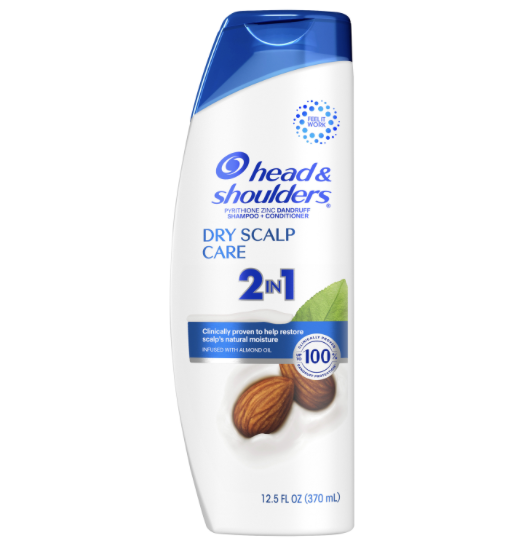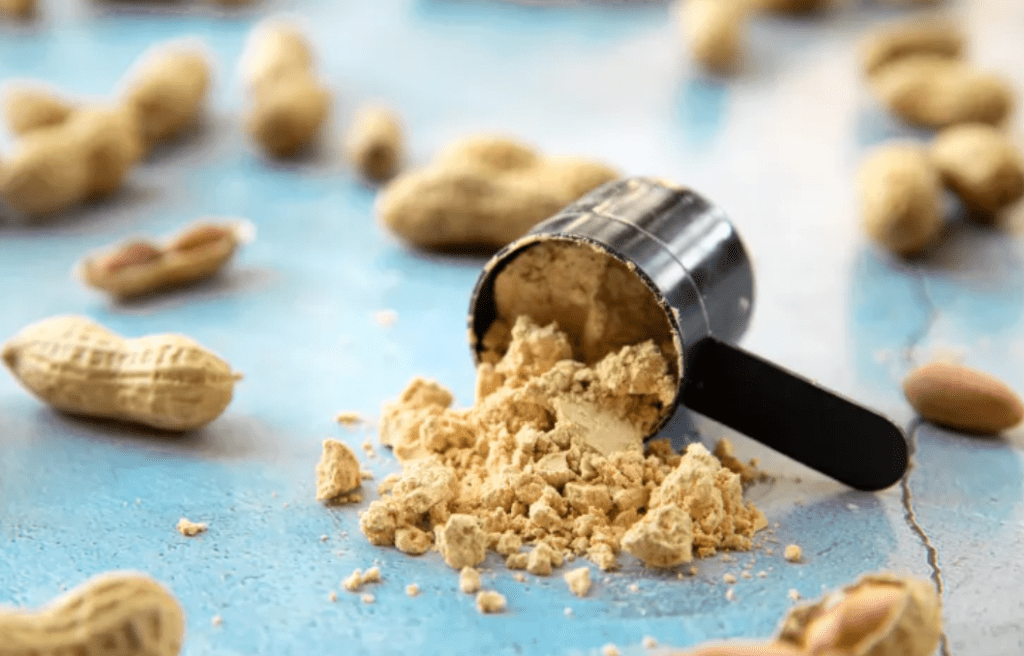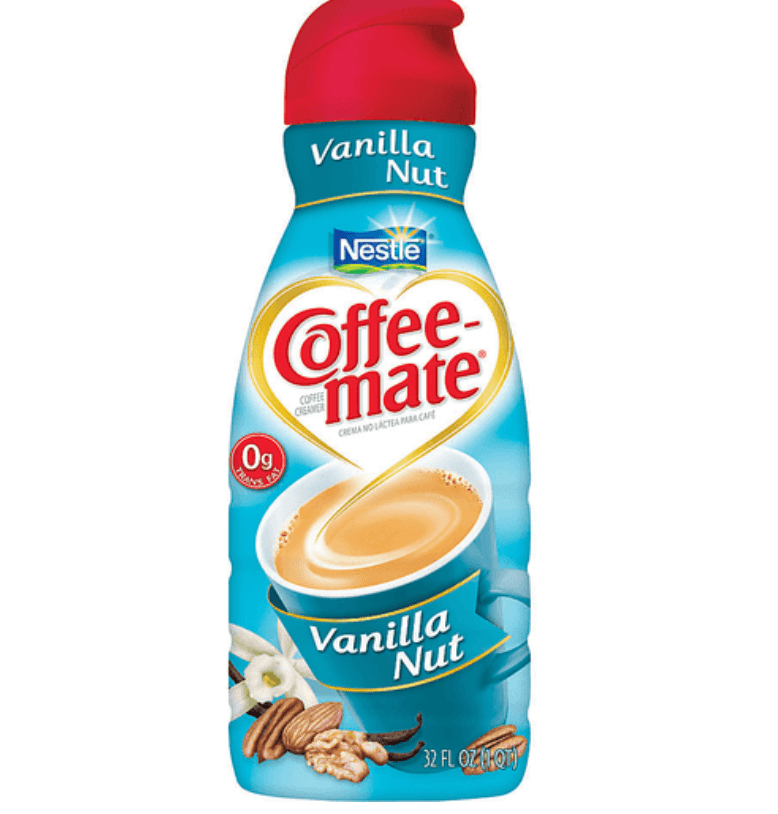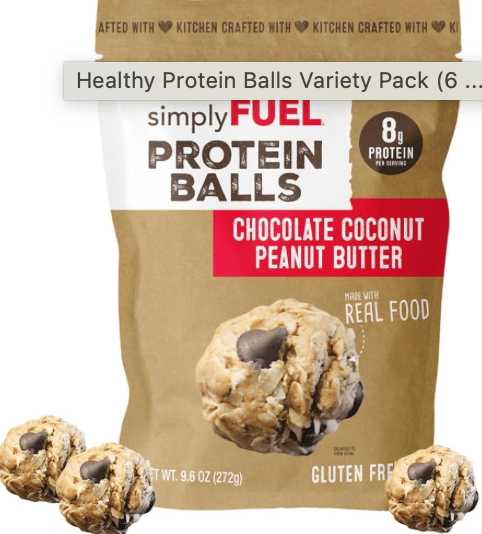


About Me!

Hi! My name is Rachel Rothstein, and living with a nut allergy has added significant challenges in my daily life, especially when it comes to reading food labels and ensuring safety. I have often found ingredient lists to be confusing or unclear, making it difficult to make choices. I created Behind the Label to empower others with food allergies by sharing my personal journey, providing reliable information, and offering allergy-friendly recipes to assist others facing similar challenges. Thanks for visiting my blog!

  • Nutella is one of those spreads everyone seems to love…except if you have a nut allergy. Crepes, acai bowls, and Nutella + pretzel school snacks were all items I, having a nut allergy, always wanted to try. Traditional hazelnut spreads are obviously off-limits, but that doesn’t mean you have to miss out. This nut-free version is creamy, chocolatey, and perfect on toast, in oatmeal, or even straight from the jar.

    Here is is!!

    Ingredients:

    • 2 cups toasted sunflower seeds
    • 1 ½ tablespoons vanilla extract
    • ¼ cup cocoa powder
    • ¼ cup honey
    • ¼ teaspoon salt
    • 1 ½ tablespoons coconut oil
    • ½ cup milk

    Instructions:

    1. In a pan, over medium-high heat, toast the sunflower seeds while stirring frequently to avoid burning. Remove from heat and allow sunflower seeds to cool to room temperature before the next step.
    2. In a blender, blend the toasted sunflower seeds, constantly stopping to scrape down the sides of the bowl, for 3 to 5 minutes, until the seeds have turned into a thick, creamy butter.
    3. Add in the remaining ingredients of honey, vanilla extract, cocoa powder, salt, coconut oil, and milk, and blend for an additional 4-5 minutes, stopping to scrape the sides from time to time, until the mixture is smooth and creamy
    4. ENJOY!!!
  • Oatmeal raisin cookies have always been a favorite in my house, but with a nut allergy, even a simple cookie can feel risky. Store-bought and bakery options often use full walnuts for extra crunch, nut oils, nut flours, or are made in facilities that handle nuts. That’s why I love making my own. They are soft, chewy, and completely nut-free, so I can enjoy every bite without worry.

    Here is the perfect nut allergy-free recipe!!!!

    Ingredients:

    • 1 cup softened unsalted butter
    • 1 cup brown sugar
    • 1/2 cup + 2 tablespoons sugar
    • 2 eggs
    • 1 tablespoon vanilla extract
    • 1 1/2 cups flour
    • 1/2 teaspoon salt
    • 1 teaspoon baking soda
    • 1 teaspoon ground cinnamon
    • 1/2 teaspoon nutmeg
    • 1 1/2 cups raisins
    • 3 cups rolled oats

    Instructions:

    1. Preheat the oven to 350 degrees F and line 2 cookie sheets with parchment paper.
    2. In a bowl, beat the butter until creamy, then add the brown sugar and white sugar and beat until fluffy, about 3 minutes.
    3. Now, beat in the eggs one at a time and add the vanilla extract.
    4. Now, mix the flour, salt, baking soda, cinnamon, and nutmeg together in a seperate bowl.
    5. Stir the dry ingredients into the butter-sugar mixture.
    6. Stir in the raisins
    7. Stir in the oats.
    8. Scoop out the dough by large tablespoonfuls onto the cookie sheets, leaving at least 2 inches between each cookie.
    9. Bake until the edges of the cookies turn golden brown, about 10 to 12 minutes.
    10. ENJOY!!!

  • Camp was always supposed to be the place where I could unplug from everything. Whether it be school, stress, or boring, constant routines, however, my nut allergy never fully unplugged with me. It followed me into the dining hall, onto the lake, into my cabin, and even to the campfire. While everyone else showed up thinking about which color war team they would be on, I was thinking about whether the kitchen actually understood what “nut-free” meant.

    Cabins brought their own challenges. Even at camps that were “nut-free,” which was amazing, there was always that one kid who brought a peanut butter protein bar or a Reese’s peanut butter cup from home, because they didn’t read the packing rules or didn’t think it mattered. And suddenly, the cabin became a place where I had to pay attention to surfaces, wrappers, and where people were eating. I always had a spot for my safe snacks, a plan with my counselor, and my medication closely attached to me. Not things most campers have to worry about.

    Then there were the classic camp moments that everyone else sees as carefree. For example, s’mores nights by the campfire, hikes, overnight trips, and random snack breaks. For me, these were moments that looked fun on the outside but required a full mental checklist behind the scenes. S’mores meant checking marshmallow brands, the marshmallow sticks, and the chocolate labels. Hikes meant hoping the counselor didn’t surprise everyone with a snack that I couldn’t eat and sharing water with someone who ate nuts that day. Plus, canteen treats meant running first in line, so the nut-free snacks were not gone too quickly.

    Don’t get me wrong, camp never stopped being fun, but it also never stopped being work.

    However, what made the difference for me was the camps that actually understood. The ones where staff kept packaging for me to check, counselors remembered my allergy before handing out snacks or before we left campgrounds, and the kitchen staff who carefully and correctly prepared my meals always. Those camps, such as Camp IHC made me feel safe without making me feel singled out. They made camp feel like camp, not like a 7 weeks long obstacle course of avoiding nuts.

    Ultimately, a nut allergy doesn’t stop and take a vacation when you go to camp. It doesn’t stay home or magically disappear because you want to relax and detox, it comes with you. But with the right people, the right communication, and the right camp that takes allergies seriously, it stops being the main focus. You get to actually enjoy the parts everyone else does, like lake days, cabin jokes, s’mores nights, campfires, and the feeling of being part of something, creating lifelong memories and friendships.

    That’s when camp finally feels like it should, not something that’s work and to be survived, but something to enjoy.

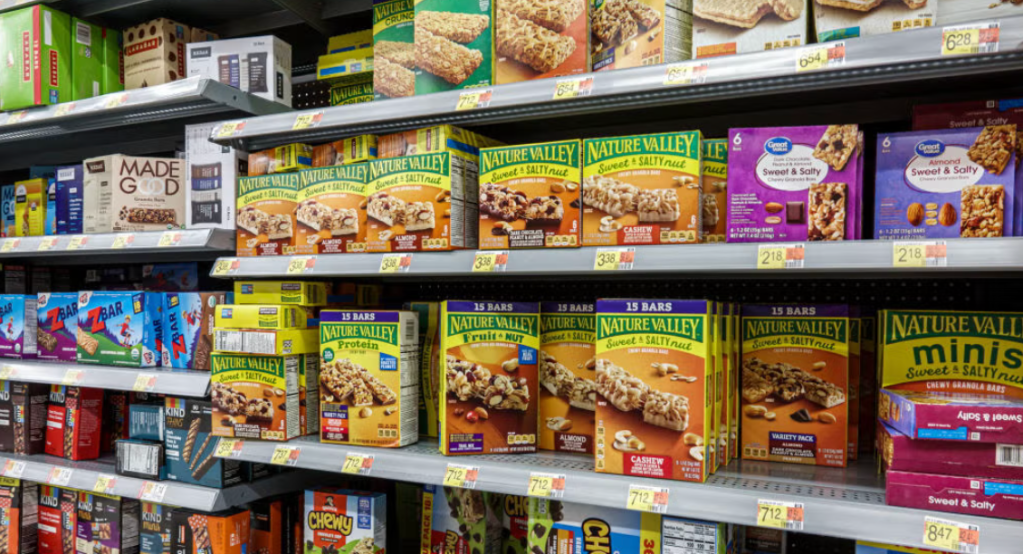
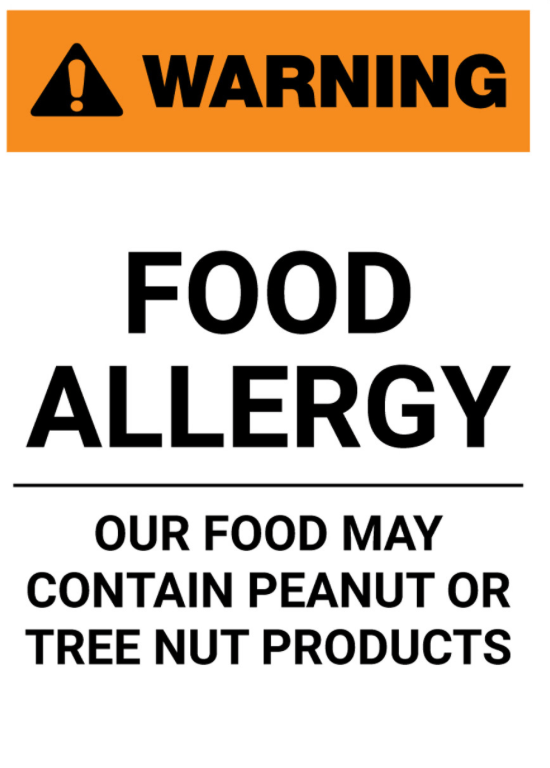
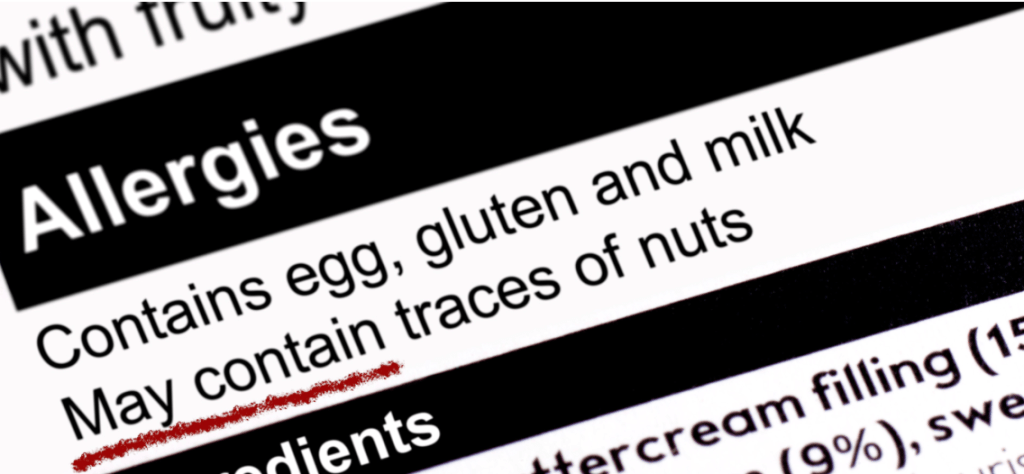
  • Flip over any snack at the grocery store and you’ll see it. Those bold allergen warnings printed “Contains: peanuts, tree nuts.” For most people, they’re easy to ignore. For those of us with food allergies, they’re the difference between a normal day and a potential medical emergency.
    But what’s actually going on behind those labels?
    Why can a crumb of the wrong cookie trigger such a massive reaction?
    And why do manufacturers plaster warnings about “shared equipment” or “possible cross-contact” on everything from granola bars to sprinkles to gummy bears?
    Welcome to the science behind allergies, where we will understand how and why the body’s immune system turns something harmless into a threat.

    The immune system’s misidentification

    Your immune system normally protects you from threats such as illnesses and infections, but in a person with a food allergy, it mistakenly flags a protein in a certain food as dangerous. This protein is called an allergen. When you are exposed to it, your immune system creates specific IgE antibodies to recognize and target it. Initial exposure can lead to a process called sensitization, in which the immune system learns to react to the food.

    The allergic reaction

    So, then the next time you eat even a small amount of the food, the IgE antibodies detect the allergen. They then trigger immune cells to release chemicals, including histamine, into your bloodstream. These chemicals cause many symptoms of an allergic reaction. For example, histamine causes blood vessels to widen, leading to swelling, and it can trigger itching, a runny nose, or, in severe cases, a life-threatening drop in blood pressure and breathing difficulties (AKA anaphylaxis).

    Why Trace Amounts Matter

    For people without allergies, a tiny amount of peanut dust is meaningless. But…for someone with allergies, the immune system reacts to the presence of the protein, not the amount. That means even a microscopic trace can trigger the same IgE response. This is why cross-contact, shared equipment, and “may contain” warnings matter so much. It’s also why reactions can feel random or unpredictable, as they depend on exposure, not the portion size.

    Why Some People Develop Allergies and Others Don’t

    Scientists still don’t know the full reason behind why certain people have allergies compared to others, but research points to a mix of reasons, such as:

    • Genetics (allergies often run in families)
    • Immune system development in early childhood
    • Environmental factors
    • Timing of food introduction
    • Hormones

    Ultimately, there is no single cause of food allergies. It’s just a combination of factors that shape how the immune system reacts to foods.

    Living With the Science

    Behind every ingredient label, dinner question, and restaurant conversation is a complex biological process. People with allergies aren’t being dramatic or picky. Instead, they are navigating a constantly alert immune system that treats everyday foods like threats.

    Knowing the science doesn’t make allergies easier, but it explains why constant alertness is necessary, why small risks matter, and why awareness is lifesaving.

  • Cinnamon rolls are a staple of comfort food, especially for me on Christmas morning, while watching the Home Alone movie. But, at most bakeries, they’re often topped or filled with ingredients like pecans, walnuts, or other nut allergens. For those navigating nut allergies, enjoying one safely can always be a challenge. So, baking them myself allows me to take full control over every ingredient from the dough to the glaze, allowing me the peace of mind that each bite is both delicious and safe. So here is my favorite comfort cinnamon roll recipe!!

    Ingredients

    Dough:

    • 3/4 cup milk
    • 2 1/4 teaspoons of active dry yeast
    • 1/4 cup sugar
    • 4 tablespoons melted butter
    • 1 egg + 1 egg yolk
    • 3 cups flour
    • 3/4 teaspoon of salt

    Filling:

    • 4 tablespoons softened butter
    • 2/3 cup packed dark brown sugar
    • 1 1/2 tablespoons cinnamon

    Cream Cheese Frosting:

    • 4 oz softened cream cheese
    • 3/4 cup powdered sugar
    • 3 tablespoons softened butter
    • 1/2 teaspoon vanilla extract

    Instructions

    For the dough:

    1. Warm the milk by microwaving
    2. Put warmed milk in the bowl of the stand mixer with a paddle attatchment and sprinkle the yeast and sugar on top, and let sit for 5 minutes until foamy
    3. To the foamy mixture, add the melted butter, egg, and egg yolk. Now mix on medium speed until well combined for about 30 seconds
    4. Remove the bowl from the mixer and stir in the flour and salt until a dough begins to form
    5. Now, put the dough hook on the stand mixer and move the bowl back to the mixer. Mix the dough on medium speed until it comes together and feels soft and slightly sticky
    6. Cover the dough with a warm towel and let the dough rise until doubled in size, about 1 to 1 1/2 hours.
    7. Dust a surface with flour and use a rolling pin to roll the dough out into a 10 × 14-inch rectangle.

    For filling:

    1. Spread the softened butter over the dough, and in a small bowl, mix together the brown sugar and cinnamon.
    2. Sprinkle the mixture over the butter and rub the brown sugar mixture into the butter
    3. Tightly roll up the dough and cut a 1/2 inch off the ends of the dough, as the ends won’t have enough filling
    4. Using a knife, cut the dough into nine 1-inch slices.
    5. Line a round or square pan with parchment paper and place the rolls in the pan. Cover it with plastic wrap and a towel and let rise again until the rolls have puffed up, are doubled in size, and touching each other in the pan. About 45 minutes to 1 hour.
    6. Preheat the oven to 350 degrees F
    7. Bake until golden brown on the edges, about 20 to 25 minutes

    For frosting:

    1. In the bowl of a stand mixer with the whisk attachment, combine the cream cheese, powdered sugar, butter, and vanilla and beat on low speed for 30 seconds, then increase to medium-high speed until smooth and fluffy, about 1 to 2 minutes.
    2. Finally, spread the frosting over the warm rolls and serve
    3. ENJOY!!!

  • When you think about college dining, you probably picture long lines, trays of food, and the excitement of that night’s dinner. However, for students with allergies, it can also feel extremely nerve-wracking and overwhelming. Well, that is until you notice the purple hats.

    When I visited Duke University, there were many staff members wearing these purple hats with the writing “Ask Me” on them. This means that they are trained to answer questions about allergens, guide students to safe foods, and help prevent cross-contact. This was part of their “Ask Me” allergen program initiative, making them the first university to lead the path for increased allergy awareness at colleges. It is also the first college/university dining program to be FARECheck Gold recognized for Marketplace and Trinity Café being nut-free-friendly, which are incredible strides in the overall community. (Read more about this incredible step foward below!)

    https://today.duke.edu/2023/01/duke-dining-recognized-food-allergen-safety

    As someone with a nut allergy, spotting a purple hat immediately made me safer and comfortable. This completely transforms a potentially stressful dining experience into a safe, welcoming one, which is extremely important to feeling at home in college.

    Other College Campus Initiatives

    • Arizona State University’s Allergen Captain Program

    At Arizona State, allergen captains can be found at every dining hall to help you avoid foods you are allergic to. They are available during all open hours and can be identified by their purple uniform.

    • University of Maryland’s Purple Zone stations

    At the University of Maryland, they have a Purple Zone kitchen, and this zone is a dedicated meal preparation space, separate from the dining hall’s main serving areas, making sure no cross-contamination occurs. They also have self-service Purple Freezers with prepackaged allergy-friendly food to go with an ingredients list always able to be checked, adding another layer of safety.

    All in all, these tiny symbols like purple hats may seem small, but they represent broader concepts of safety, education, and inclusion. As more colleges implement ways to train staff and raise awareness, students with allergies can navigate campus dining with confidence. Behind every purple hat, pin, or separate kitchen is one incredible, heartwarming step toward a safer and more inclusive college campus community!!

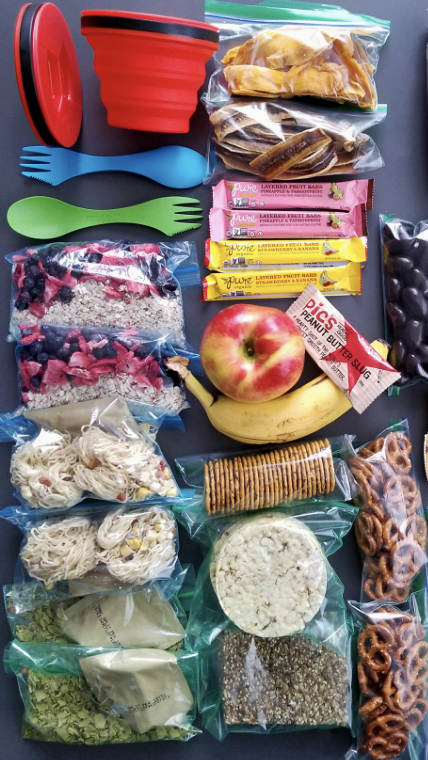
  • Trail mix is supposed to be the perfect snack. It’s portable, crunchy, sweet, and salty, the best of both worlds! But for someone with a nut allergy, it’s the exact opposite. A handful of “harmless” clusters actually contain almonds, cashews, and peanuts, just to name a few. That’s why I want to share this safe, nut-free trail mix recipe so everyone can try this fun, cool snack!

    Ingredients

    • 1 cup pretzels
    • 1/2 cup pumpkin seeds
    • 1/2 cup mini marshmallows
    • 1/2 dried cranberries
    • 1 cup cheerios
    • 1/2 cup mini chocolate chips
    • 1/2 cup sunflower seeds
    • Any other add-ins you love!! (such as Rice Chex, Skittles, raisins, Annie’s Graham cracker Bunnies, white chocolate chips, Goldfish, etc.)

    Instructions

    1. Add all the ingredients to a bowl
    2. Stir all the ingredients together
    3. Add any other desired ingredients
    4. ENJOY!!!!
  • Baking has always been my happy place. Whether it be measuring, mixing, tasting, or sharing something homemade with my friends and family. But as someone with a nut allergy, even a simple recipe can become off-limits. My grandma’s famous peanut butter cookies? oatmeal raisin bread? Her zucchini muffins? They all called for nuts, almond extract, or nut-based oils.
    However, then I discovered the power of ingredient swaps. Suddenly, recipes that once felt dangerous became safe, without sacrificing flavor or texture.

    That is why I want to share my favorite nut swaps to make famous recipes nut-free and able to be enjoyed by everyone!

    See below in the table:

    Original IngredientNut-Free SwapWhy It WorksExamples of Recipes Used
    Almond ExtractVanilla ExtractStill has that depth of flavor to bringout the best of the other ingredients without the nut proteinscookies, brownies, and pie
    Peanut ButterSunflower ButterSimilar flavors and still has the needed consistency for making PB&J sandwiches, granola bars, and cookiesPeanut butter and jelly sandwhiches, granola bars, cookies
    Almond FlourSunflower seed flourHas the similar grainy texture as almond flour and similar nutty flavormacarons, itallian rainbow cookies
    WalnutsPumpkin SeedsStill crunchy and rich, and adds healthy fatsMuffins, Brownies, and Cinamon Rolls
    Pine NutsSunflower seeds and BasilProvides the similar creamy texture to pine nuts when blended with everything. The pumpkin seeds also mimic the same flavor that the pine nuts do in the pesto sauce.Pesto

    All in all, even tiny amounts of a nut protein can trigger a reaction, and being unable to eat these tiny amounts limits so many recipes that those with allergies want to try. So, by swapping in safe seeds, seed butters, or extracts, we can recreate amazing recipes while still keeping them allergy-free!!!

  • Every year, as soon as December hits, my brain immediately shifts into holiday mode… and allergy mode. I love the lights, the music, the baking, everything… but I also know that the holidays are when nuts sneak into literally everything. From the Hanukkah party jelly donuts to the Christmas cookies, it feels like a constant guessing game. However, over time, I’ve learned how to make the holidays that same comforting time without any allergy worries. So, whether you celebrate Christmas, Hanukkah, or anything else, here’s how to enjoy the season fully.

    Why the Holidays are Extra Tricky with Nut Allergies

    1. Desserts

    From rugelachs, sufganiyot fillings (jelly donuts), pecan pies, fruitcakes, biscotti, “holiday trail mix,” chocolate gelt, or peanut-peppermint bark made in shared facilities. These are just another layer of additionall new, fun, “nut” foods you have to always be careful and think about.

    2. Gatherings

    Gatherings during the holidays mean relatives and others offering a number of homemade foods with zero label info. Although they have the best intentions in mind, food with zero labels is of extreme discomfort to those with food allergies, just another source of stress and uncertainty.

    3. School and Parties

    The many school parties add more unknowns to allergy food stress between all the many cookie swaps during lunch, gingerbread house competitions, and classroom treats.

    4. Cross-contact

    If cross-contact was not already a huge issue, the amount of cross-contact happening during the holiday season skyrockets because everyone is baking at once. Again, adding another layer of fear and worry to those with allergies in their lives.

    Tips to Stay Safe Allergywise:

    1. Bring your own dessert

    The truth is that a safe cookie you know is nut-free beats guessing from someone else’s every time and bringing your own treats is a great way to maintain 100% certain food safety.

    2. Ask about ingredients early

    Don’t wait until someone hands you a plate. A quick “What is in this?” or “Were any nuts used in the kitchen?” goes a long way, even if it’s a couple of days before, and they can even change the recipe if it contains nuts!

    3. Watch for cross-contact

    Especially during the holiday season, when everyone is baking at once in shared kitchens, from pecan pie to almond biscotti, watching for cross-contact can make a huge difference.

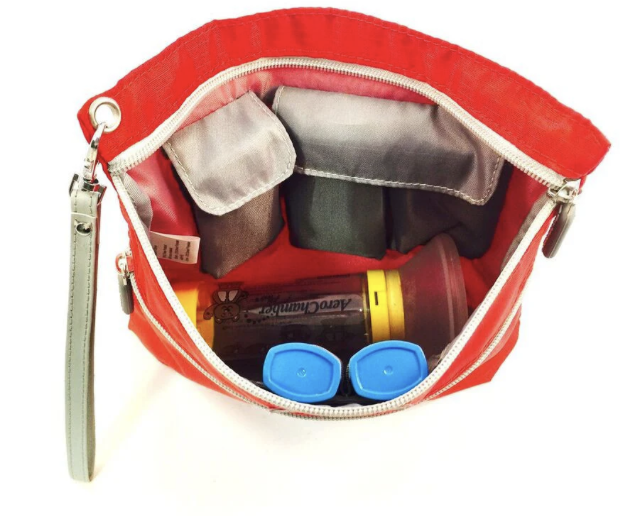
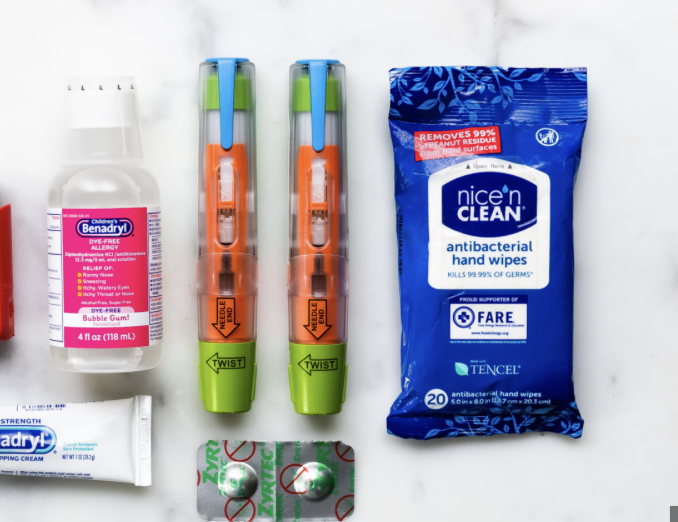
    4. ALWAYS bring your Epi-Pen

    Whenever you go anywhere, always make sure to carry your EpiPen in case of emergency.

    5. Create your own traditions

    Whether it be nut-free gingerbread houses, homemade peanut-oil free latkes, cozy hot cocoa nights, nut-free holiday baking, or nothing to do with food! All of these new traditions allow you and your family to always celebrate the holidays in ways that feel fun and safe.

    Ultimately, it’s not about avoiding everything or not going to a holiday event because you are unsure. It’s about finding the safe options that make you forget the stress for a little while, such as lighting the menorah without worrying about the food on the table or decorating cookies you can eat and know are 100% nut-free. Remember to have a Happy Holidays!

  • Most classic Holiday Christmas/Hanukkah cookie recipes call for almond extract, chopped pecans, or other nuts, but what about those with nut allergies? Don’t worry! You don’t have to miss out on holiday baking. With a few swaps, you can still enjoy the cozy comfort, smell, and sweetness the holiday cookies bring, completely nut-free!

    Ingredients:

    For the cookies:

    • 1 cup softened butter
    • 1/3 cup whipping cream
    • 2 cups flour

    For the frosting:

    • 1/2 cup softened butter
    • 1 1/2 cup powdered sugar
    • 2 tsp vanilla extract

    Instructions:

    1. Mix together all of the ingredients for the cookies until it’s fully combined and chill in the fridge for at least two hours
    2. Once chilled, take the dough out and roll it out on a surface lightly covered with flour until it’s about 1/4 inch thick
    3. Cut out circles of dough using a small cookie cutter or bottle cap
    4. Coat both sides of the circles in sugar (granulated sugar or colored sanding sprinkle sugar) and poke each cookie circle 3-4 times with a fork
    5. Bake on a baking sheet for 7-9 minutes at 375 degrees F
    6. Let cookies cool before frosting them
    7. Mix all of the frosting ingredients together and spread it between two cookies, pushing the two cookies together forming a cookie sandwich
    8. They can be eaten right away, but I like them better cold so I put them in the fridge for a couple of hours before serving.
    9. ENJOY!!!